
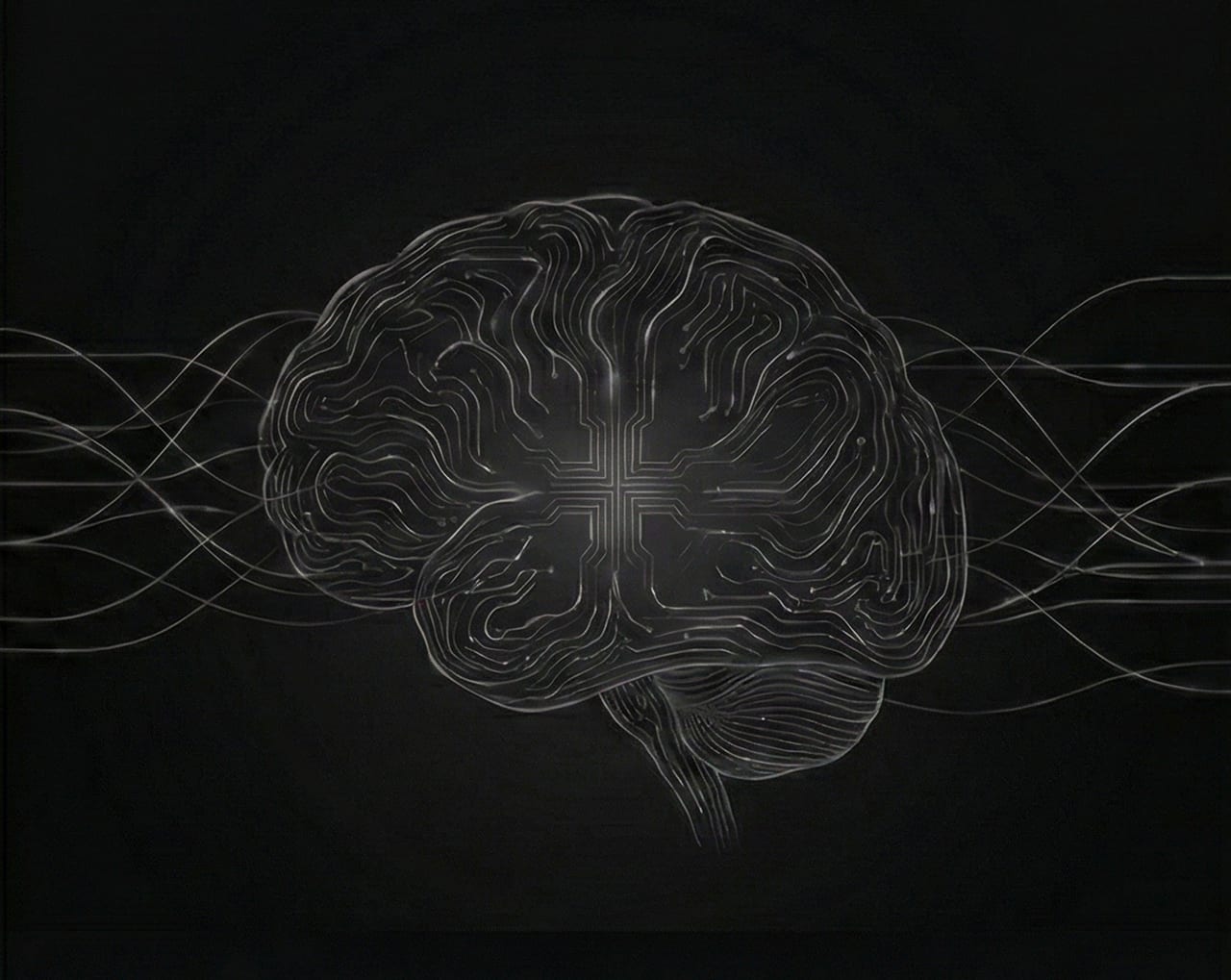
AI is starting to shape our interfaces: adapting layouts, tone, and content in real time.
That sounds amazing… until you ask:
When AI curates your experience, who controls the narrative?
Personalization or Persuasion?
AI-powered design promises personalization, UIs that adapt to your goals, context, and even your mood.
But there’s a fine line between helpful and manipulative.
- A checkout flow that simplifies the process for one user could pressure another to buy faster.
- A news feed that “understands” your emotions might comfort you, or quietly reinforce bias.
When every pixel can change, so can influence.
The question isn’t what AI can show, it’s what it should show.
The Invisible Hand of Experience
In traditional design, everyone saw the same screen. It was transparent. Predictable. Shared.
Now, AI tailors every experience. Decisions happen behind the scenes, invisible, at scale.
So who defines those choices?
- The designer?
- The algorithm?
- The data that trained it?
Adaptive design risks becoming a silent editor of human experience, one that optimizes for engagement, not understanding.
Transparency as a Design Principle
If AI is adapting what we see, users deserve to know:
- What’s being changed
- Why it’s happening
- How to take back control
That might mean small, visible signals, like:
“Your layout is simplified for accessibility.” ; “This flow was adjusted for driving mode.”
Small signals. Honest intent.
Transparency shouldn’t be an option; it should be the foundation.
Designers as Ethical Architects
In the age of adaptive AI, designers hold invisible power.
We must define not just what AI builds, but what it respects:
- Boundaries of influence
- Clarity of purpose
- Fairness across variation
AI can adapt endlessly. But it still needs a moral compass.
And that compass starts with us.
A Human Future
Adaptive design can make tech deeply personal, or dangerously persuasive.
It can empower people, or quietly steer them.
The difference comes down to intent, transparency, and trust.
Because when AI decides what we see, our job is to decide why.
Final Thought
The future of design isn’t about sharper algorithms; it’s about stronger ethics.
True innovation won’t come from intelligence alone, but from integrity built into every interaction.
The big question is:
👉 Are we ready to design for a world where AI shapes not just what we see, but what we believe?