

Sports Science
Turning athletes' everyday runs into complete research data, without turning athletes into technicians.
Back to Work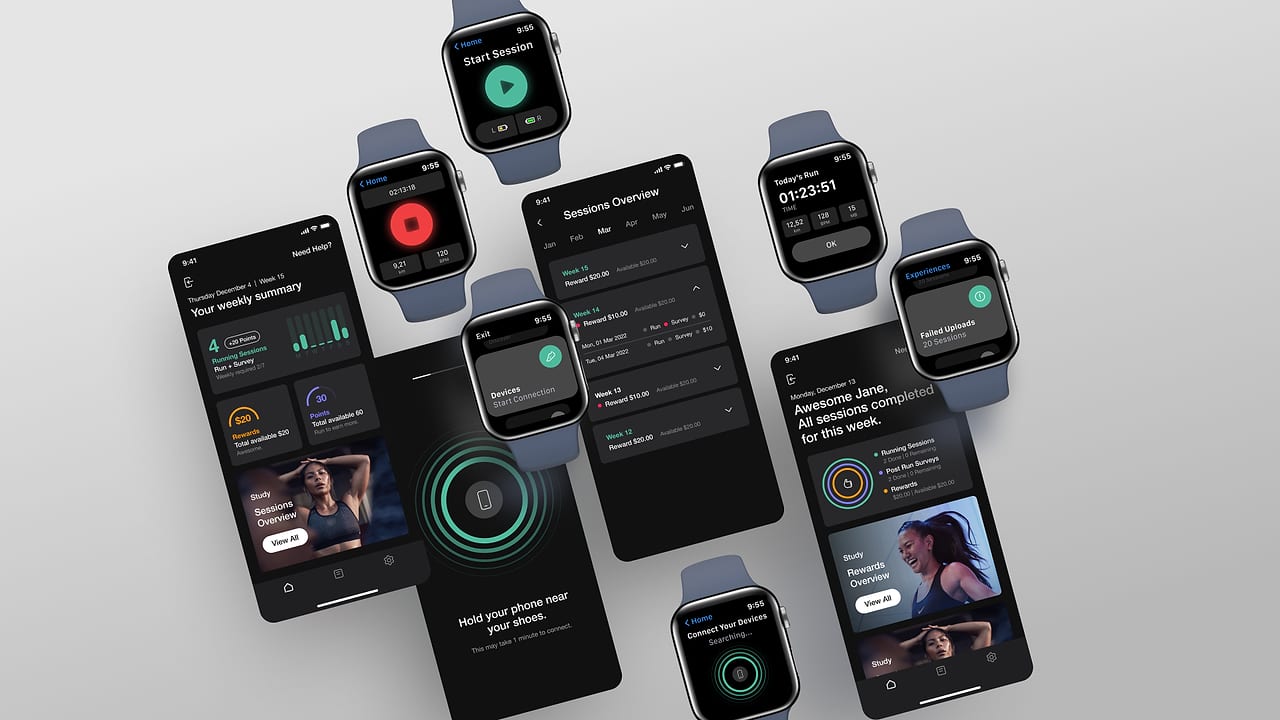
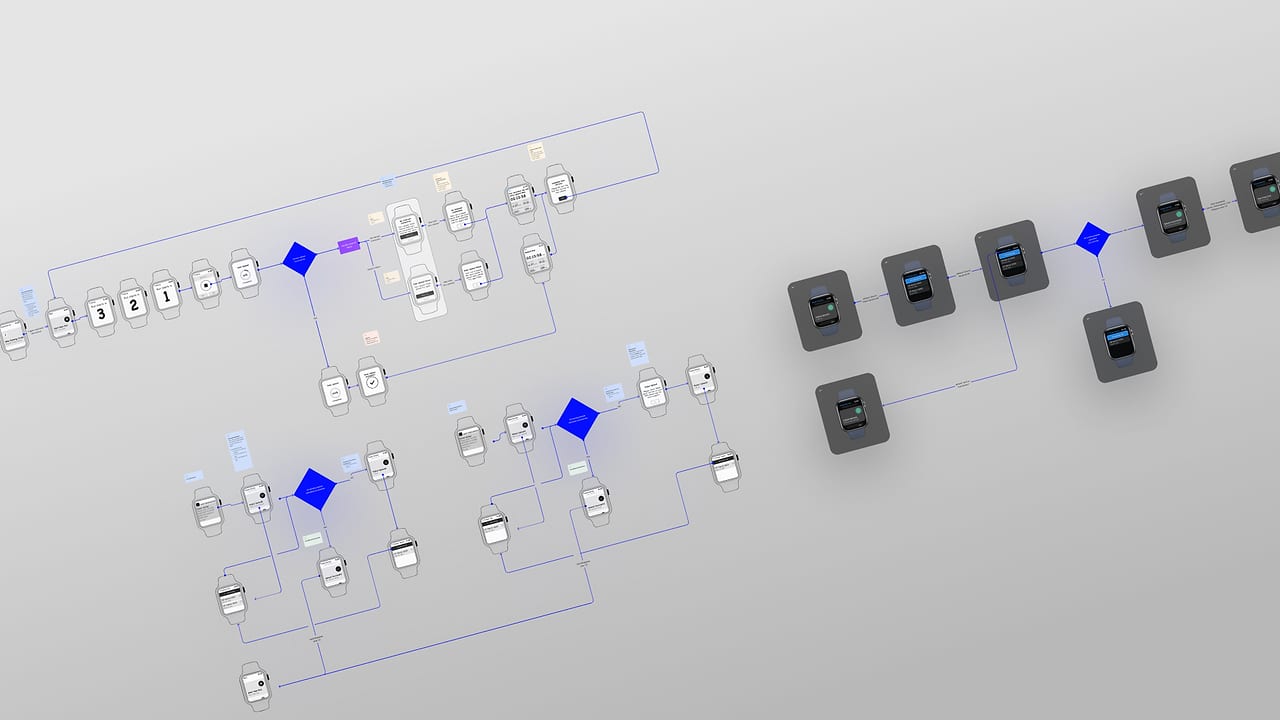
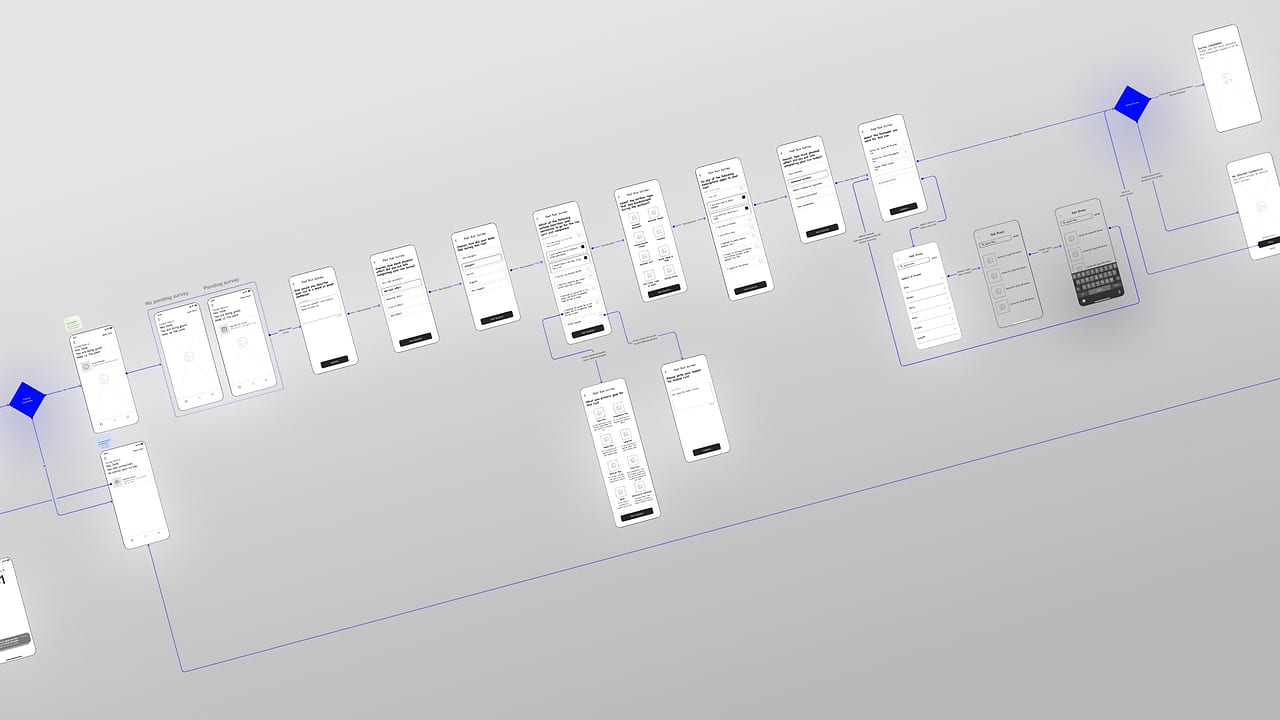
A global sportswear leader's sports research lab shapes new products with data from athletes' real-world runs, and a run that goes wrong can't be repeated. I led product design for its iPhone and Apple Watch study app, putting complete data ahead of new features. Runs arrive with their survey attached, and that data became an important input for the lab's researchers and innovators.
In numbers
These are product scope numbers from the delivered design. Study results and usage data belong to the client, so they are not shared here.
The problem
The lab needs complete runs: both shoe sensors connected, the whole session recorded, the data uploaded and a survey answered while the run is still fresh. Its researchers and innovators use that data to shape new products. A run that goes wrong cannot be repeated. The data is simply lost.
The people producing that data are runners, not technicians. They record outdoors, sometimes far from a signal, on a small screen with limited battery. Every extra step costs participation, and a study only works if athletes keep taking part, week after week.
So the product question was not which features to add. It was how to make complete data the easiest outcome of every run.
Goals
-
Complete data from every run
Both sensors connected and the whole session recorded and uploaded, with no run lost without the athlete knowing.
-
Context while it is fresh
A short survey after every run, so researchers know how the run and the shoes felt.
-
Athletes who keep running
Clear weekly goals and rewards, so taking part stays worth it for the length of the study.
My role
I led product design in a team with a product manager, two other designers and the iOS and watchOS engineers. The job was as much about what we built as how it looked.
Most of the decisions below balance three things: what athletes would tolerate after a run, what researchers needed from every run, and what the Watch and its sensors could do reliably.
- Ran research with athletes and turned the findings into requirements and backlog priorities, with the PM.
- Framed the main design options and the trade-offs between them, so the team could decide quickly.
- Mapped the user and task flows for both devices, failure paths included. They became the team's shared reference.
- Worked through Apple Watch constraints with the engineers: screen size, sensor connections and battery.
- Tested the flows with athletes and fed what we learned back into the backlog.
Product decisions
-
Give each device one job
iPhone handles everything that needs attention: pairing, setup, surveys and progress. Apple Watch has one job, recording the run. Before the start it checks both sensors and their battery, then counts down and shows only time, distance and heart rate.
Trade-off: Fewer features on the wrist, in exchange for a recording that is quick to start and hard to get wrong.
-
Put data integrity ahead of new features
Sensors drop out, batteries run low and runs end far from a signal. Each case got a recovery path: a sensor search, a left and right battery check before the start, runs held on the Watch until they can upload, and a Failed Uploads list with retry. No run disappears without the athlete knowing.
Trade-off: Edge cases took design and build time that could have gone to new features. A lost run costs the lab more than a missing feature.
-
Tie the reward to the survey
Researchers need context for every run, and memory fades quickly. After upload, the survey waits on the iPhone home screen, and a run counts toward the weekly goal only once its survey is done. Branching questions and a shoe search keep each survey short and specific to the run.
Trade-off: A stricter rule for athletes, balanced by a survey short enough to finish straight after the run.
-
Make coming back worth it
A study depends on athletes taking part week after week. The iPhone app shows weekly runs and surveys against the goal, the points and rewards earned, a monthly overview and a clear moment when the week is complete.
Impact
-
For the lab
Real-world runs arrive with their survey attached. That data became an important input for the lab's researchers and innovators.
-
For athletes
One journey from the first sensor pairing to weekly rewards, with a clear way to recover when something fails.
-
For the team
One shared map of the product, failure paths included, that the PM and engineers could plan and build against.
What I'd do next
I would agree on data-quality measures with the researchers in the first week: the share of complete runs, survey completion and uploads recovered after a failure. The product was designed to move those numbers. Tracking them from the start would show the effect and guide what to build next.